
Back to the Journal

The Espinosa Journal

Community & Contractor Relationships

There Is a Person Behind the Work

A candid conversation about respect between contractors, residents, property managers, and association boards.

Christopher Espinosa

May 21, 2026  ·  7 min read

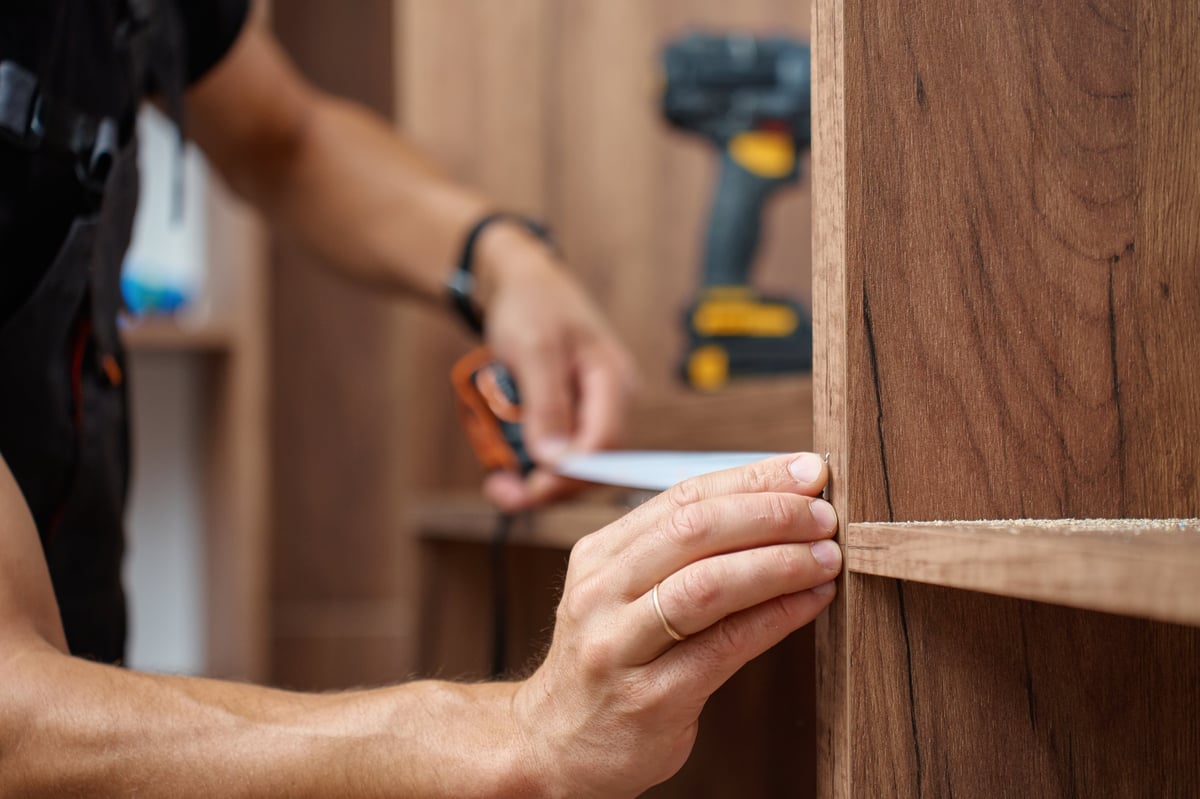
A craftsperson measuring and marking a wooden board at a workbench.
Fig. 01

Behind every repair are someone’s hands, time, judgment, and care. Illustrative photograph.

Photo credit: Ono Kosuki / Pexels

We usually arrive because something needs attention.

Sometimes it is an improvement someone has been looking forward to. Sometimes it is a leak, damaged stairs, a deteriorating surface, or a repair that has taken longer to approve than anyone hoped.

By the time a contractor arrives, frustration may already be high.

I understand that. A home is personal. Problems with it can interrupt daily life and create worry about money, safety, and what happens next.

But there is a boundary that deserves to be stated clearly:

Needing my help does not give anyone permission to verbally abuse me or mistreat my team.

High Standards and Respect Belong Together

You can question a recommendation. You can challenge a charge, identify a defect, request an explanation, or tell us that communication has fallen short.

Those are legitimate parts of a professional relationship.

Shouting, insults, intimidation, and personal attacks do not make a concern more valid. They make a useful conversation harder.

A contractor’s obligation to remain professional does not erase the contractor’s dignity.

A work truck, uniform, or contract does not turn someone into an acceptable target for anger.

We have families, responsibilities, and limits. We take pride in our work, and we feel the weight of difficult interactions long after leaving a property.

The Person on Site May Not Control the Decision

Community work adds another layer.

A resident may be frustrated with a board. A property manager may be waiting for authorization. A contractor may have permission to perform one specific task.

The crew on site is often the most visible part of that process.

Being visible does not make us responsible for every decision behind the work.

We may not control the approval timeline, the association’s budget, or the policy a resident wants changed. We also may not have authority to expand the scope simply because someone asks us while we are there.

Those questions still deserve answers. They need to reach the people authorized to provide them.

When a Safety Recommendation Becomes Personal

Traffic-calming devices are one example.

A contractor may recommend them to support safety within a community. Residents may disagree about their location, purpose, or effect on everyday driving.

That disagreement can be discussed.

A resident can ask why a recommendation was made, who approved the installation, and how concerns can be brought to the board.

What does not help is directing personal anger at the contractor carrying out authorized work.

We can explain our recommendation and the installation. We cannot independently rewrite community policy because a resident objects.

Responsibility Is Shared

Residents deserve a clear route for raising concerns.

Property managers help by explaining the approved scope, clarifying who can authorize changes, and addressing abusive conduct when it occurs.

Board members help by owning their decisions and communicating with the residents they represent.

Contractors have responsibilities too. We should listen, explain accurately, acknowledge mistakes, and remain respectful when a complaint is uncomfortable.

Nobody should be expected to absorb personal mistreatment as the price of keeping a project moving.


“You can hold someone accountable without humiliating them.”
Christopher Espinosa

Direct Does Not Have to Mean Disrespectful

A productive concern can be firm:

Those statements identify a problem and create room for an answer.

When a conversation becomes abusive, it may need to pause and resume through a property manager or designated contact. That boundary helps restore the conditions needed for a constructive discussion.

The concern still matters. So does the way people are treated while addressing it.

Remember Who Is There to Help

The person arriving at your door may have already responded to an emergency that morning. The crew working outside may be managing heat, physical strain, and changing conditions.

Those circumstances do not excuse poor workmanship. They do deserve ordinary human consideration.

I want clients, residents, and community leaders to bring concerns to my attention. I would rather have a difficult, honest conversation than leave someone uncertain about the work.

What I ask is that we remember the people in that conversation.

We can demand good work and communicate respectfully. We can disagree and remain civil.

When we arrive to help care for your home or community, please make room for that same care in the way we are treated.

Christopher Espinosa, President and General Contractor of Espinosa Restoration Services

About the Author

Christopher Espinosa

President & General Contractor  ·  Espinosa Restoration Services

Christopher Espinosa is the President and General Contractor of Espinosa Restoration Services. Since founding the company in 2013, he has brought a personal, hands-on approach to renovation, restoration, and property maintenance throughout Central Ohio. His journal shares practical knowledge and candid perspectives drawn from caring for homes and communities.

Continue Reading

Also from the Journal