01
An Individual Work Order
A single repair at a specific location — a damaged door, a leaking gutter, a section of siding. Typically documented and authorized on its own.
Best for: isolated conditions with a clear, contained scope.

For Property Managers & Association Boards
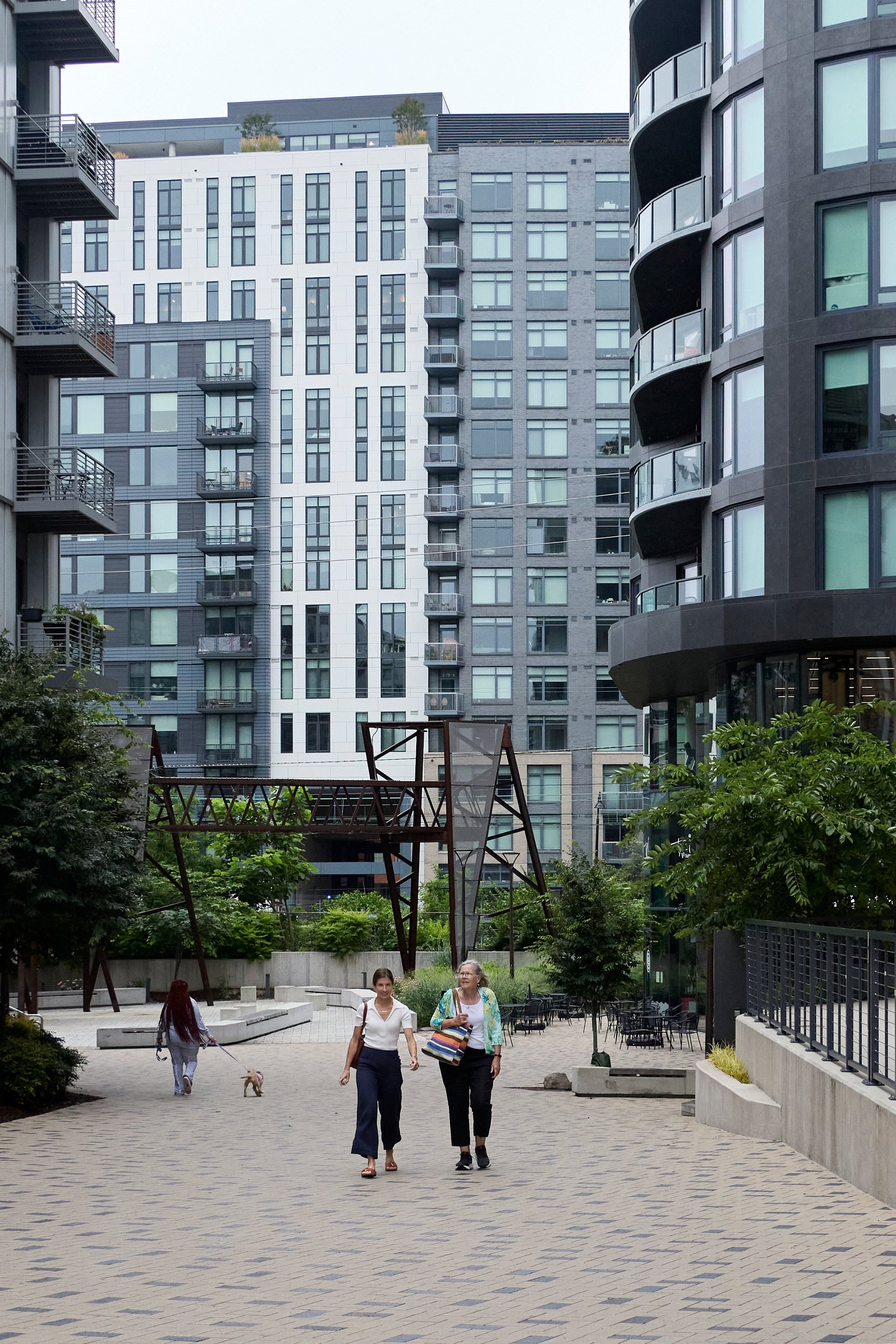
From individual work orders to planned improvements across multiple buildings, caring for a community calls for clear information, practical coordination, and attention to the people who live there.
Community & Shared Spaces · Illustrative
Service Groups
Caring for a community means balancing immediate repairs, longer-term improvements, resident needs, and board decisions.
Espinosa Restoration Services supports property managers and associations with defined scopes, coordinated work, and attention to the communication surrounding each project.
The visible surface of the building and the material behind it. Exterior work tends to accumulate — a small opening lets water in, and the repair grows each season it is deferred.
The structures residents actually use — and the ones that receive the most wear. Repairs, rebuilding, and refinishing coordinated around continued access.
Water follows the path of least resistance, which is rarely the intended one. Gutter and drainage work protects the surfaces below and the foundations beside.
Replacement and repair projects governed by the building's character, the association's standards, and the requirements of the individual property.
The recurring items that keep a property presentable and safe. These are often bundled into a scheduled visit rather than handled one at a time.
Damage-related repairs and planned improvements — for a single property or across several buildings in the community.
Coordination
A board approves work it can understand. Most of what makes a community project go smoothly happens before anyone picks up a tool — in the estimate, the unit list, and the notice that reaches the right residents.
What follows describes how we work with boards and managers, which is separate from the field capabilities above.
Each scope identifies the building, unit, or common area involved, so there is no ambiguity about what is being authorized.
Pricing and proposed work are documented in writing, in a format that can be circulated to a board for review.
Work proceeds once authorized. Where a board approval or manager sign-off is required, we wait for it rather than starting on assumption.
Buildings are lived in. Timing is planned around access, resident routines, and any seasons or hours the property requires.
Where residents need advance notice or access arrangements, those are agreed with management. Providing the notices themselves is typically the association's role.
Opening a wall or a fascia board sometimes reveals more than the estimate accounted for. We stop, document, and bring it to you in writing.
Additional work and revised cost are documented and approved before proceeding — particularly where a board must authorize the change.
Photographs, service notes, and completion records are provided as agreed for the contract. Invoicing follows the terms of that contract.
Which of these are standard for every job, and which are arranged for a particular contract, is confirmed when the scope is proposed. We do not publish fixed reporting schedules or response commitments that vary by agreement.
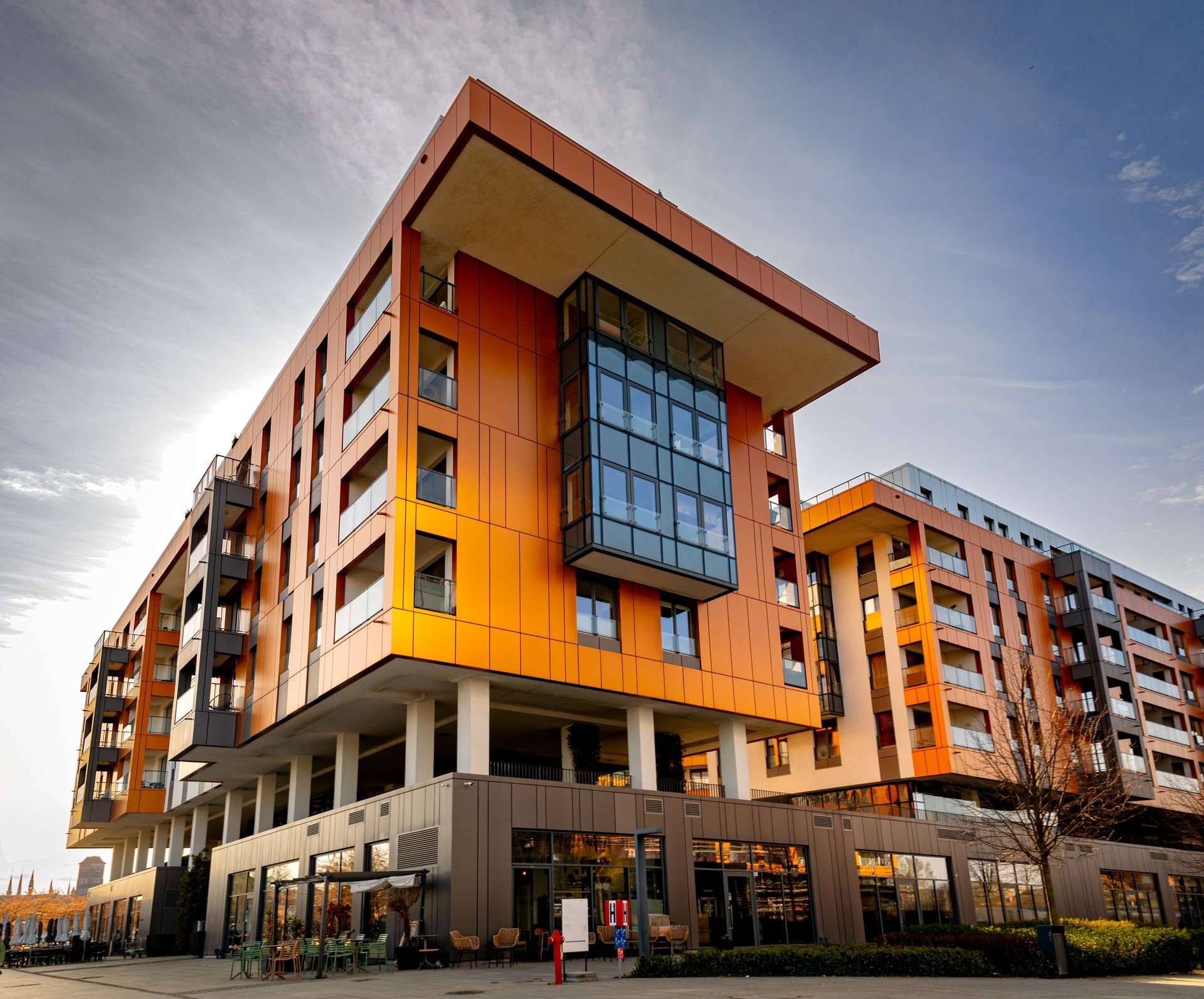
Every repair is a decision someone has to stand behind.
Scoped · Authorized · Documented
Service Arrangements
The nature of the work changes what is needed from a board and from us. Understanding which category a project falls into is usually the first useful step.
01
A single repair at a specific location — a damaged door, a leaking gutter, a section of siding. Typically documented and authorized on its own.
Best for: isolated conditions with a clear, contained scope.
02
Several related items addressed together, often across multiple units or a single building elevation. One scope, one schedule, one point of coordination.
Best for: a repeated condition observed across several properties.
03
Scheduled visits for the items that never quite stop — lighting, gutters, sealants, and small repairs. Documented as they occur.
Best for: keeping a property ahead of the backlog rather than behind it.
04
Planned work funded as a project — roofing, siding replacement, window programs, or exterior improvements across the community. Usually phased and board-authorized.
Best for: improvements planned around a reserve or assessment cycle.
How priorities are set
Priorities are established with the board or manager rather than assumed by us. Safety and active damage typically come first, followed by items affecting multiple properties, then planned improvements. Contract durations and response commitments vary by agreement and are set out in the proposal.
Common Questions
If your question is not answered here, we would be glad to discuss it with you directly.
(614) 269-9764
Begin the Conversation
Share the property, the priorities, and the work you are considering. We can begin with a conversation about the next step.
Resident Portal is for existing service requests. New project inquiries use the conversation above.
Related Services